
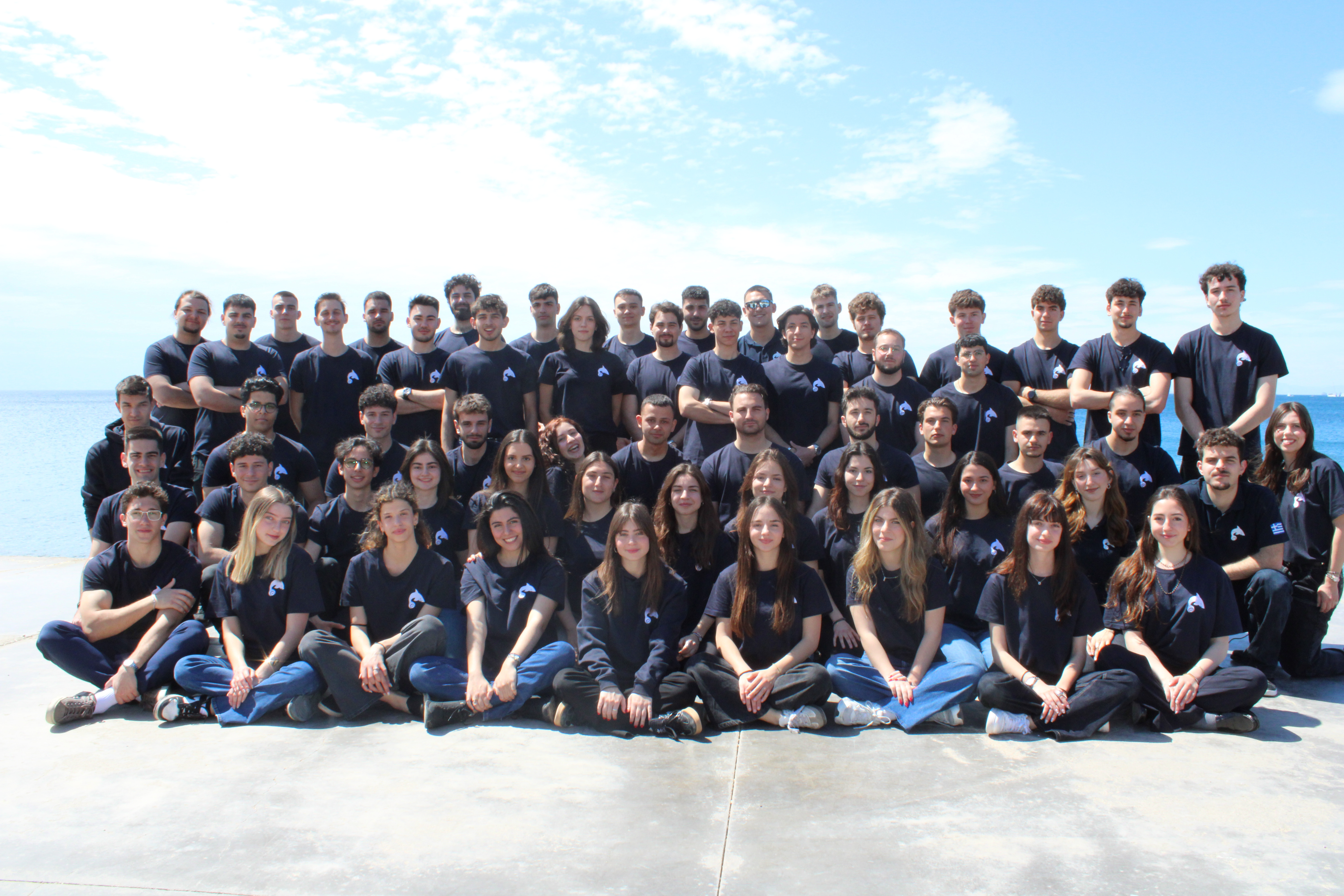
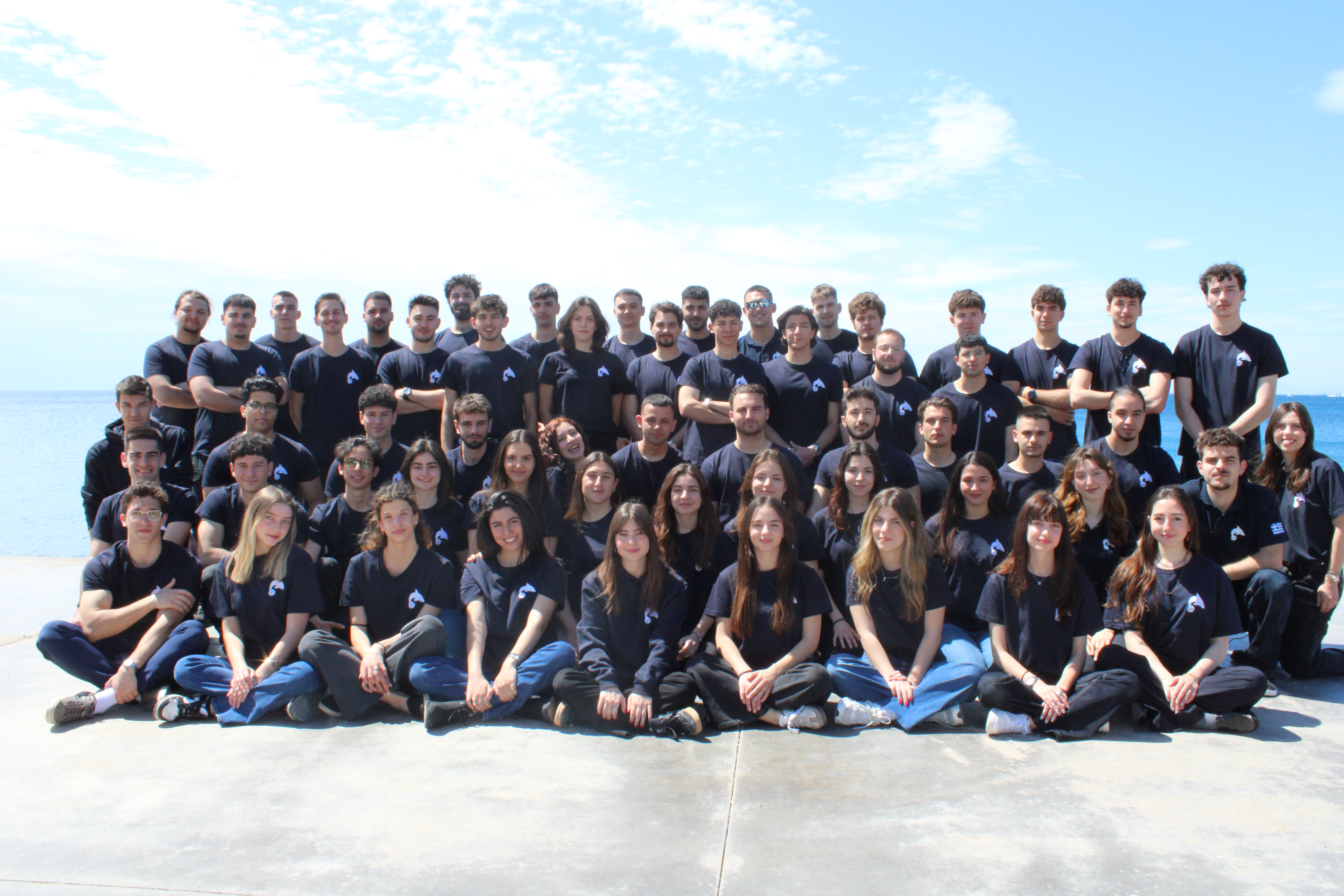
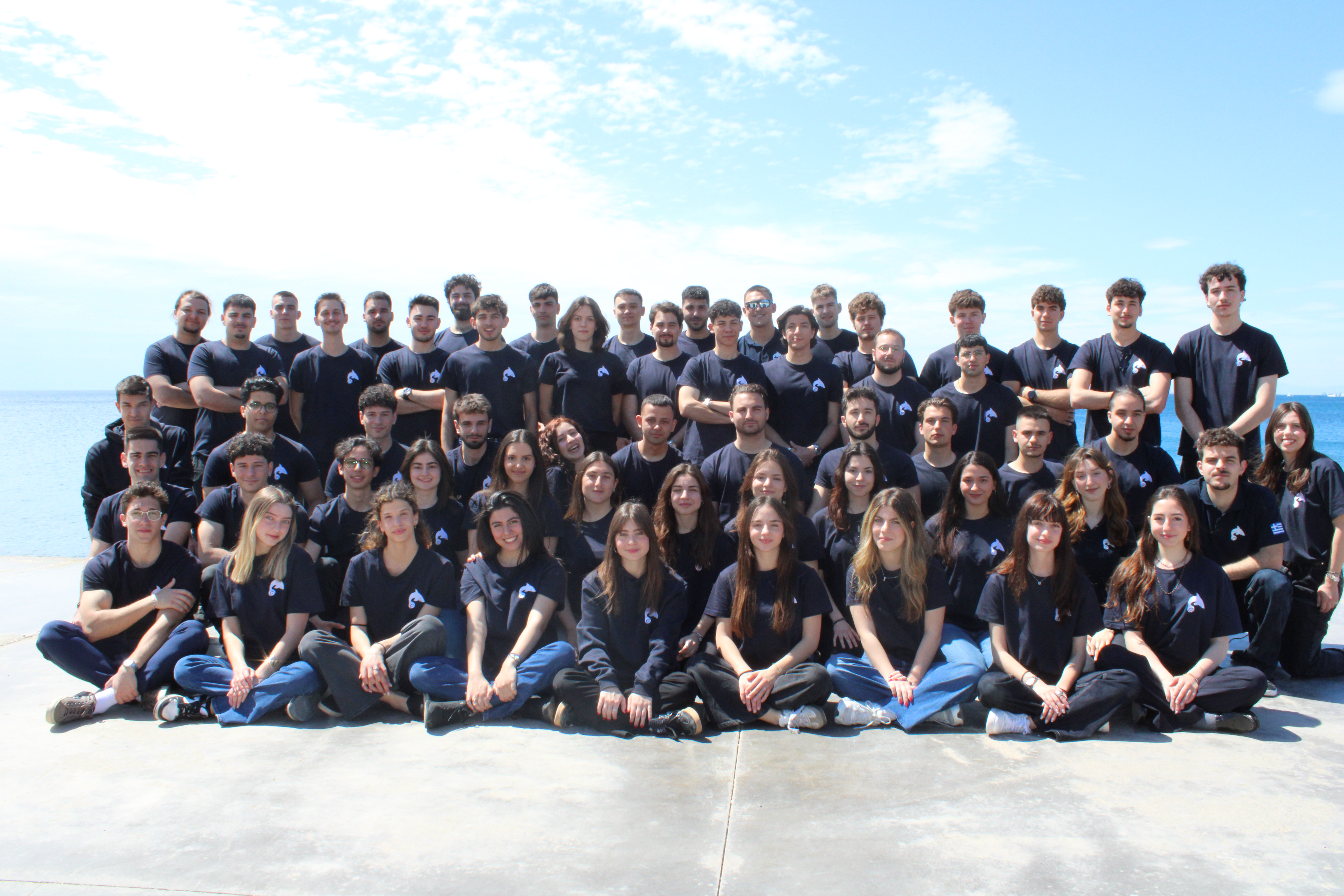
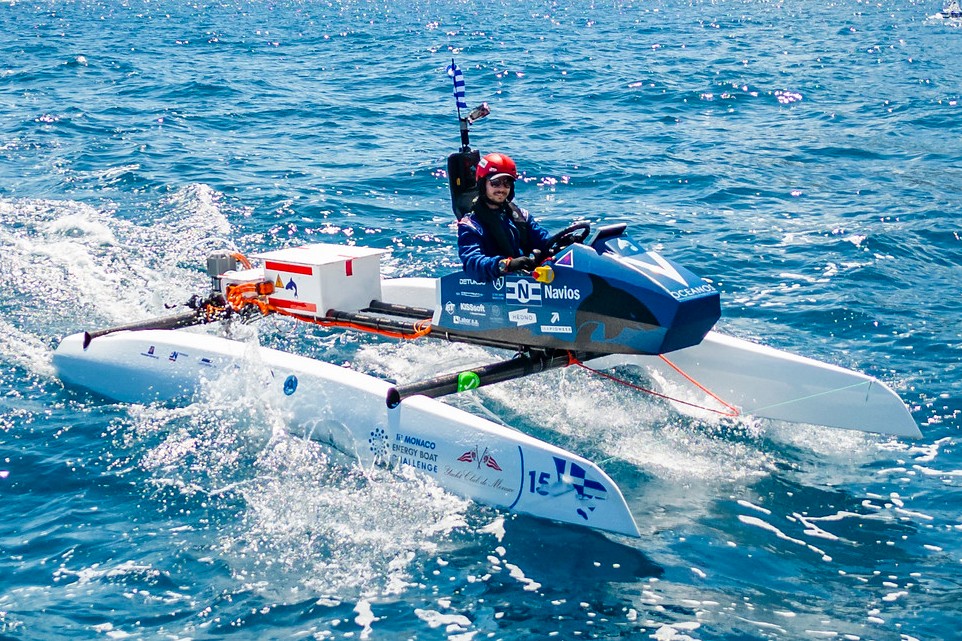
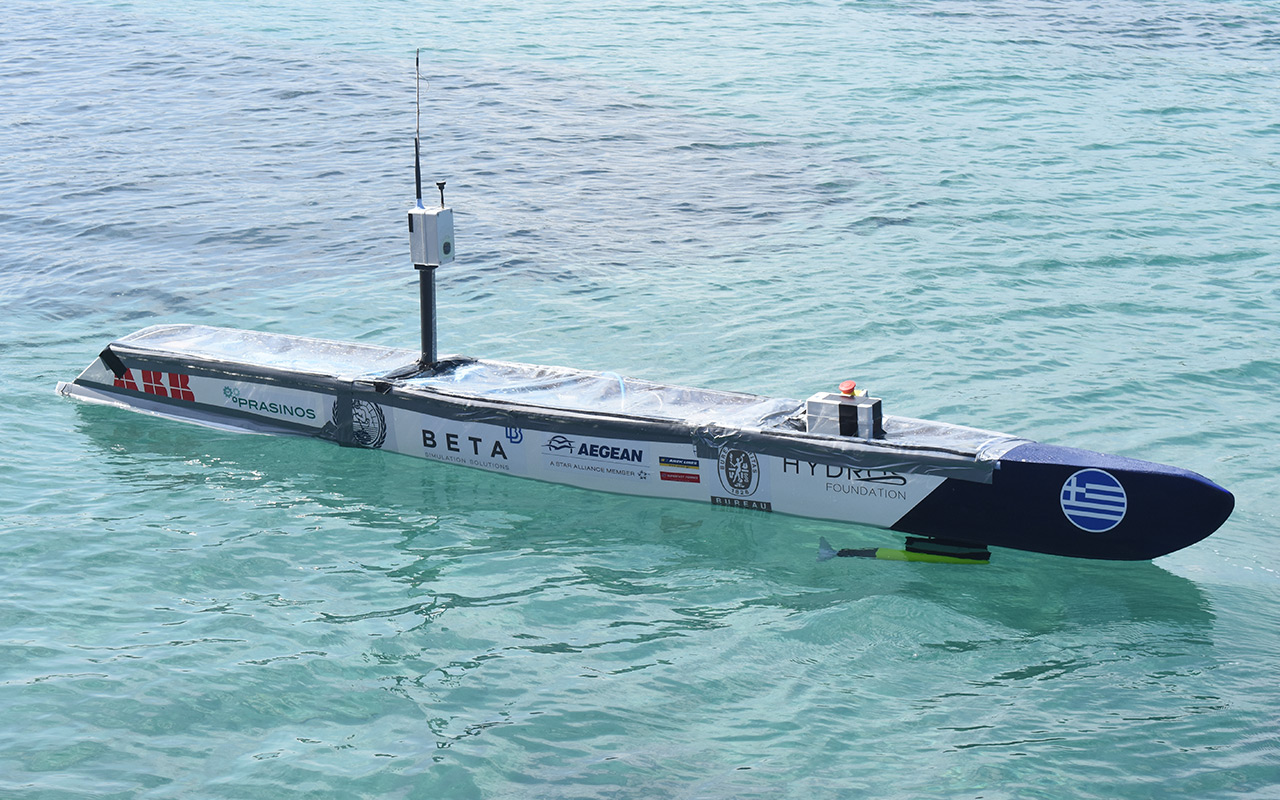
At the National Technical University of Athens, OCEANOS NTUA brings students from different engineering disciplines together to design, build and test boats powered by renewable energy. Its work now extends to autonomous navigation, giving the team new challenges in vessel design, energy management and control systems.
Maritime industry itself faces a significant technological transformation. Huge demand regarding more energy-efficient vessels, the need to explore alternative energy sources and the development of intelligent navigation systems are currently rebuilding the future of marine engineering. In this evolving landscape, research and innovation are not driven solely by established industries and major research institutions. Fortunately, all this is being advanced by the fact that many new engineers are entering the faculty eager to turn ideas into reality.
Leading this academic initiative is OCEANOS NTUA, a student research team at the National Technical University of Athens (NTUA). Established and working non-stop since 2016, the team has successfully been designing and building from zero, crewed and uncrewed racing vessels powered by renewable energy. They have attended many international competitions, gaining valuable experience, continuous experimentation and achieving technological development. The team applies theoretical naval architecture to practical engineering in the marine environment.
Oceanos involves much more than building a racing boat. The team brings together vessel design, construction, electrical systems and testing, allowing students to work on the practical challenges of integrating these systems into a functioning vessel. It gives the opportunity to young engineers from different sectors and backgrounds to face directly with the challenges of modern naval architecture and maritime technology.
OUR JOURNEY: A decade of designing, building and competing
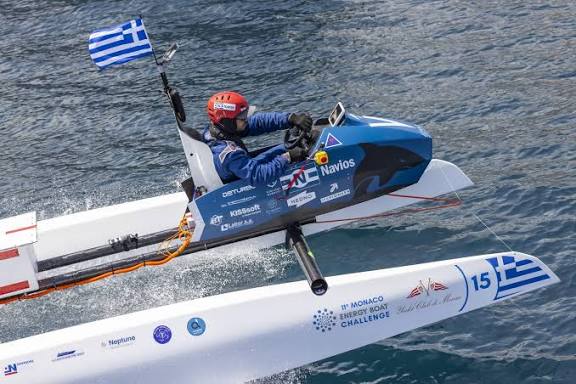
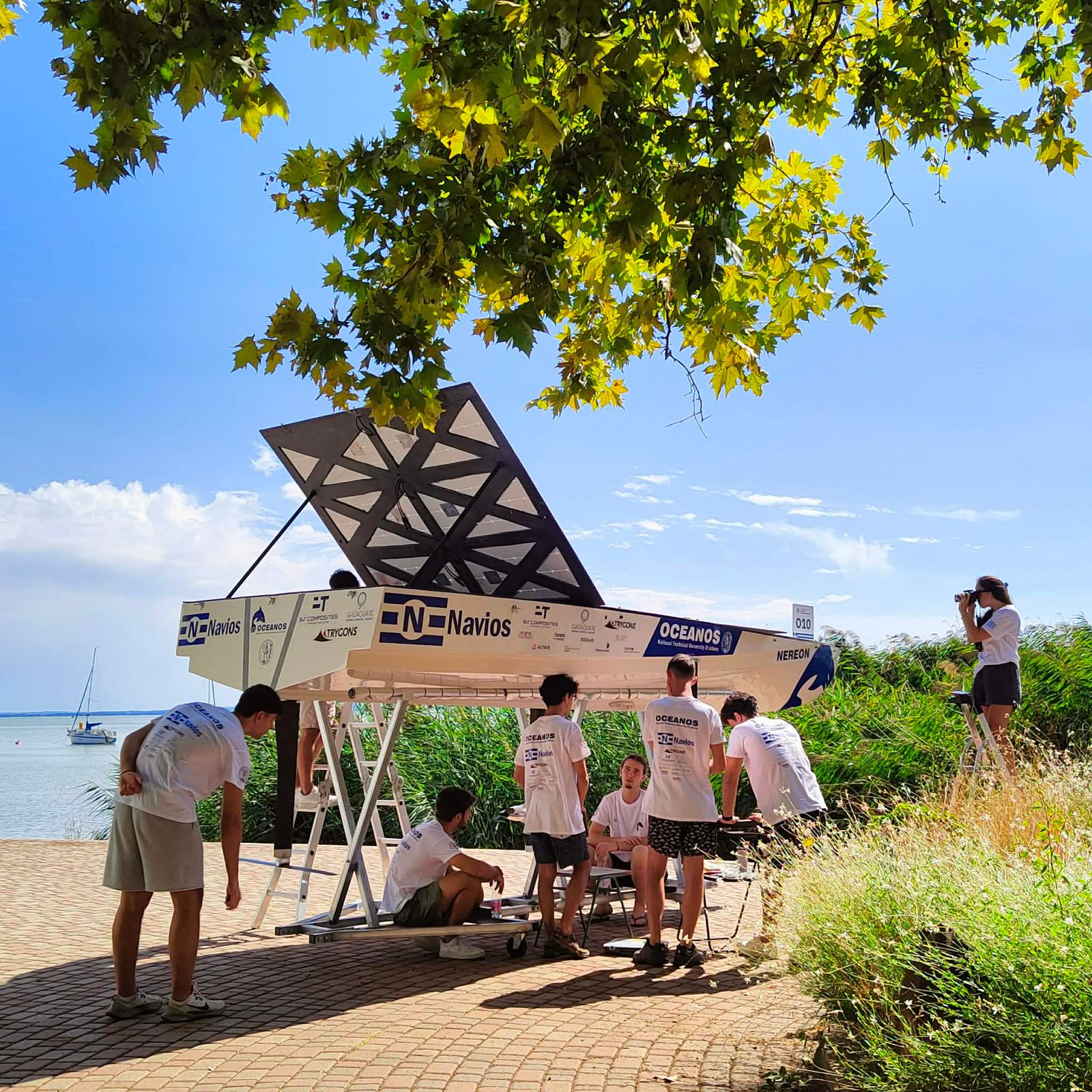
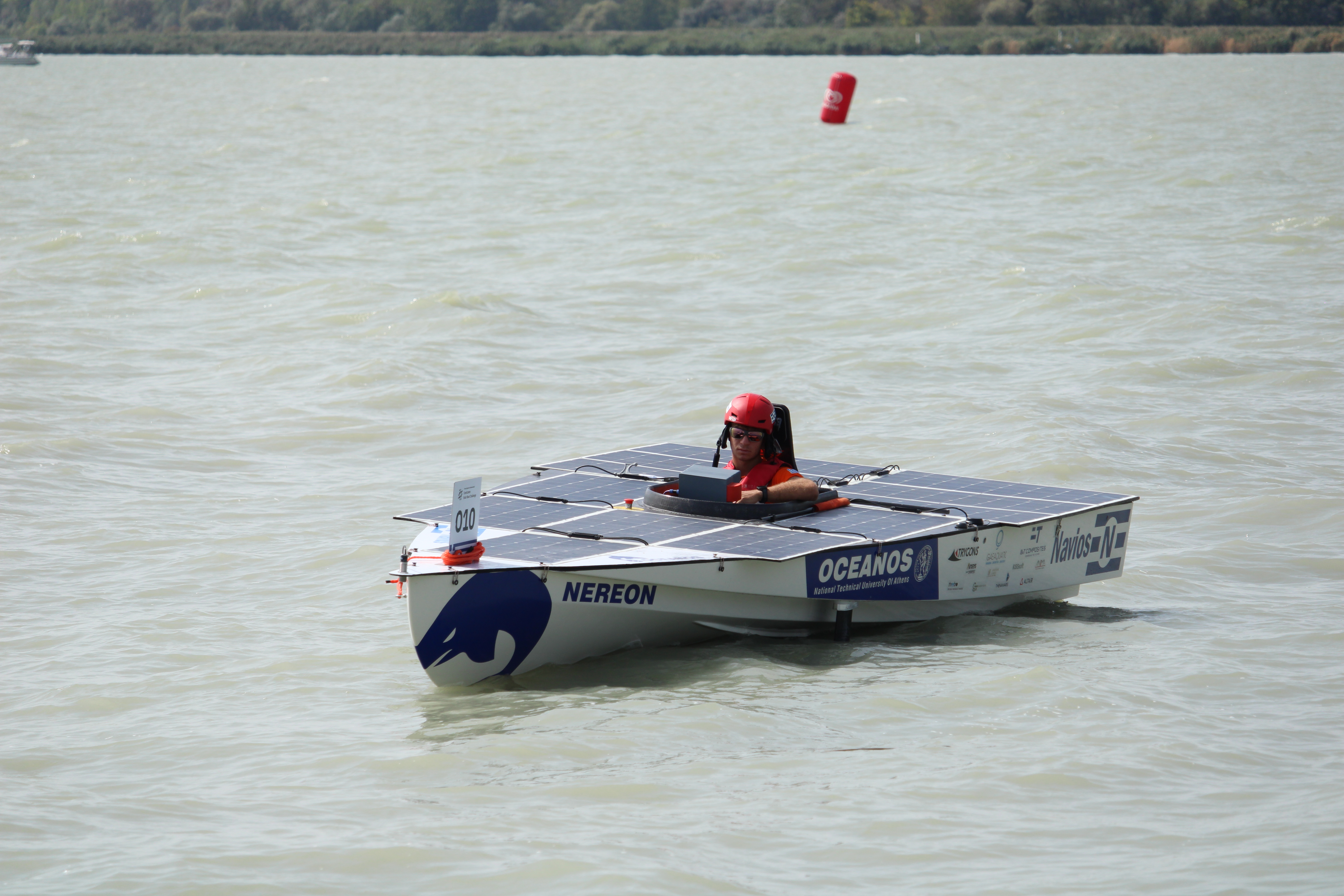
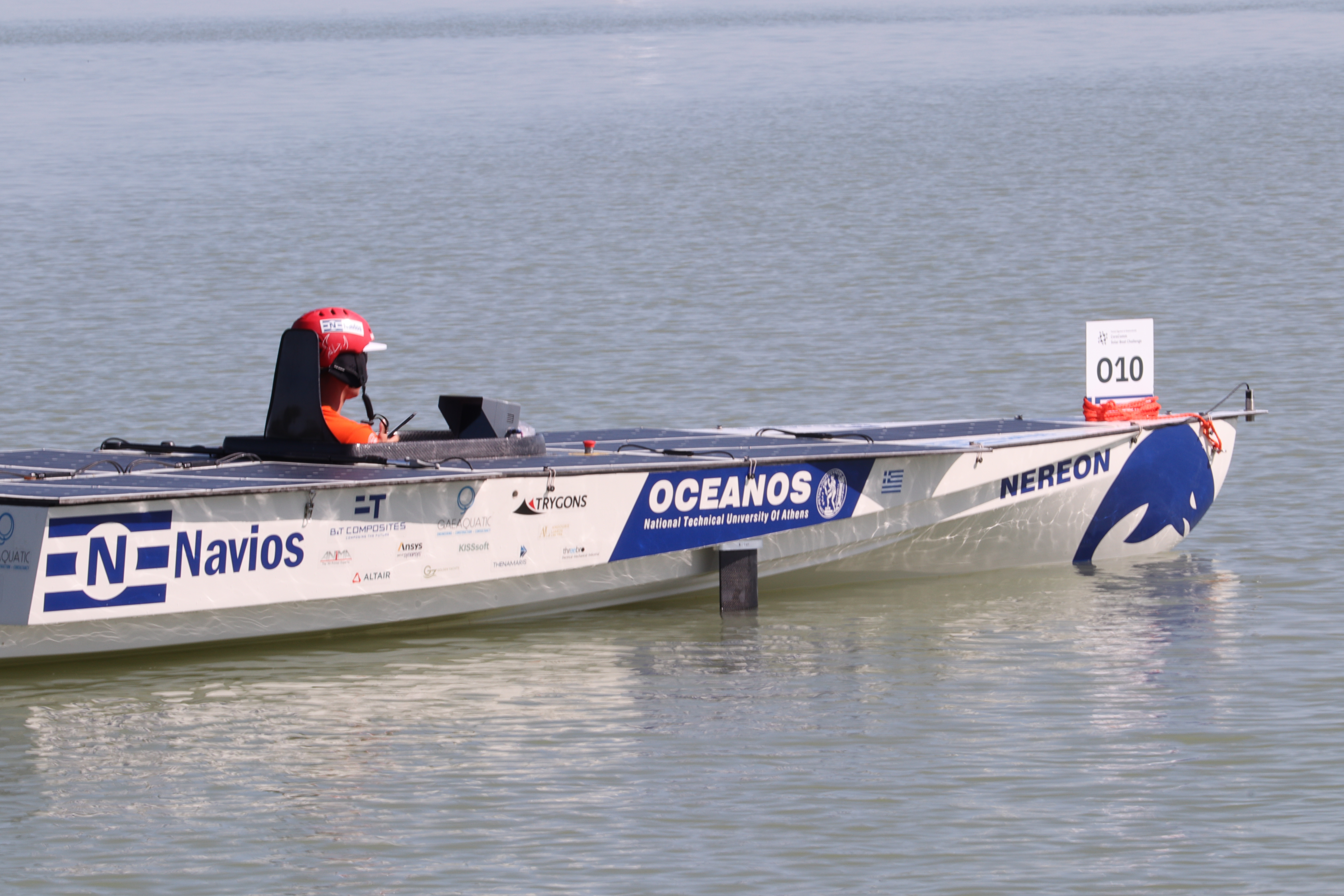
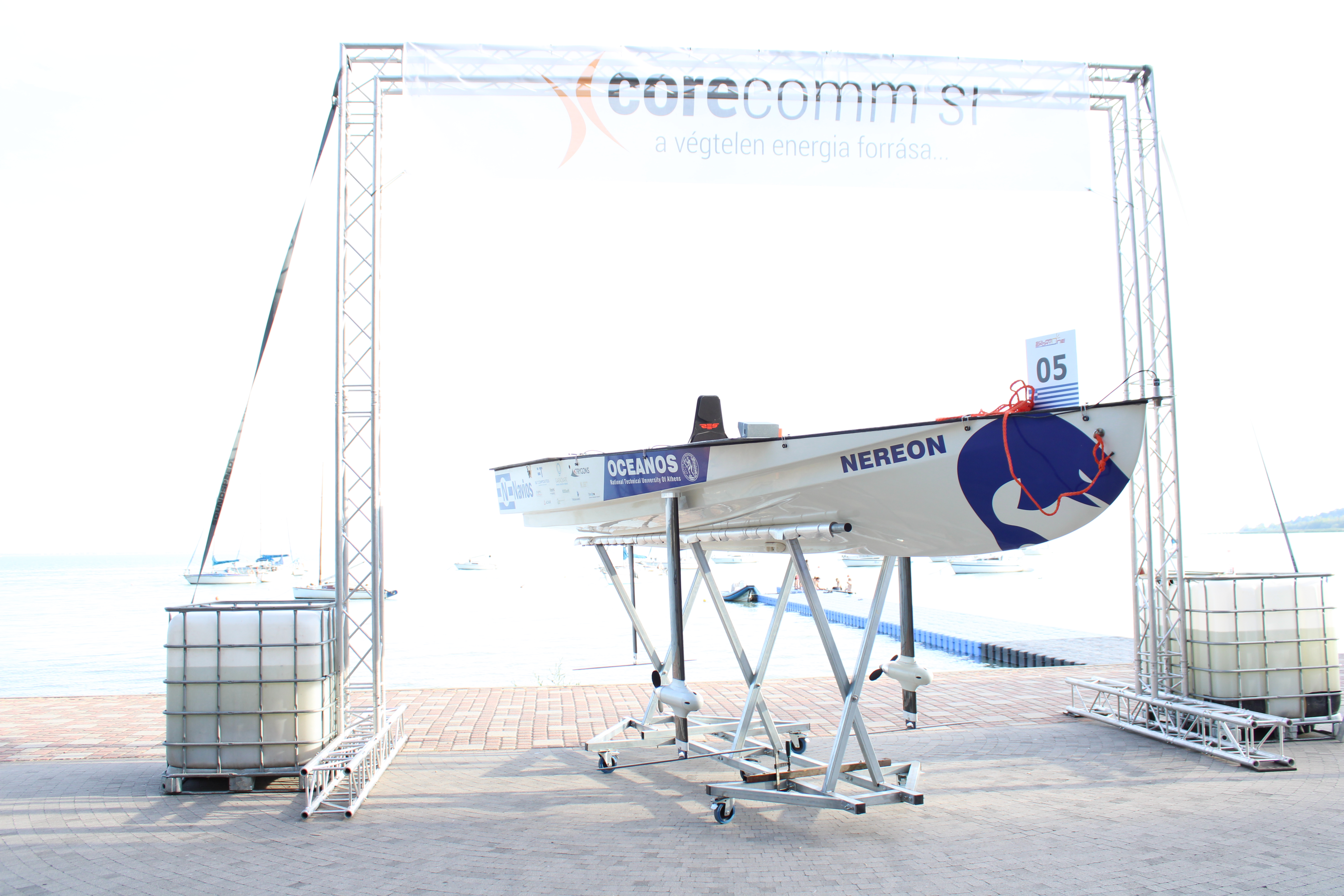
Oceanos began its journey with remotely controlled boats in the HydroContest category before progressing to the Monaco Energy Boat Challenge, where the team developed a crewed racing catamaran. This effort led to a first-place finish in 2024, marking a significant milestone in the team's development and demonstrating the importance of technical preparation, collaboration and continuous improvement. Building on this experience, the team moved into a new racing category and developed its first solar-powered hydrofoil boat.
Hydrofoil technology represents an actual engineering challenge. Under suitable operating conditions, underwater foils lift the vessel out of the water’s surface, reducing the resistance associated with the hull's contact with the water. This approach introduces demanding design requirements involving hydrodynamics, stability, dynamic behavior and control, while highlighting the close relationship between vessel design and energy efficiency.
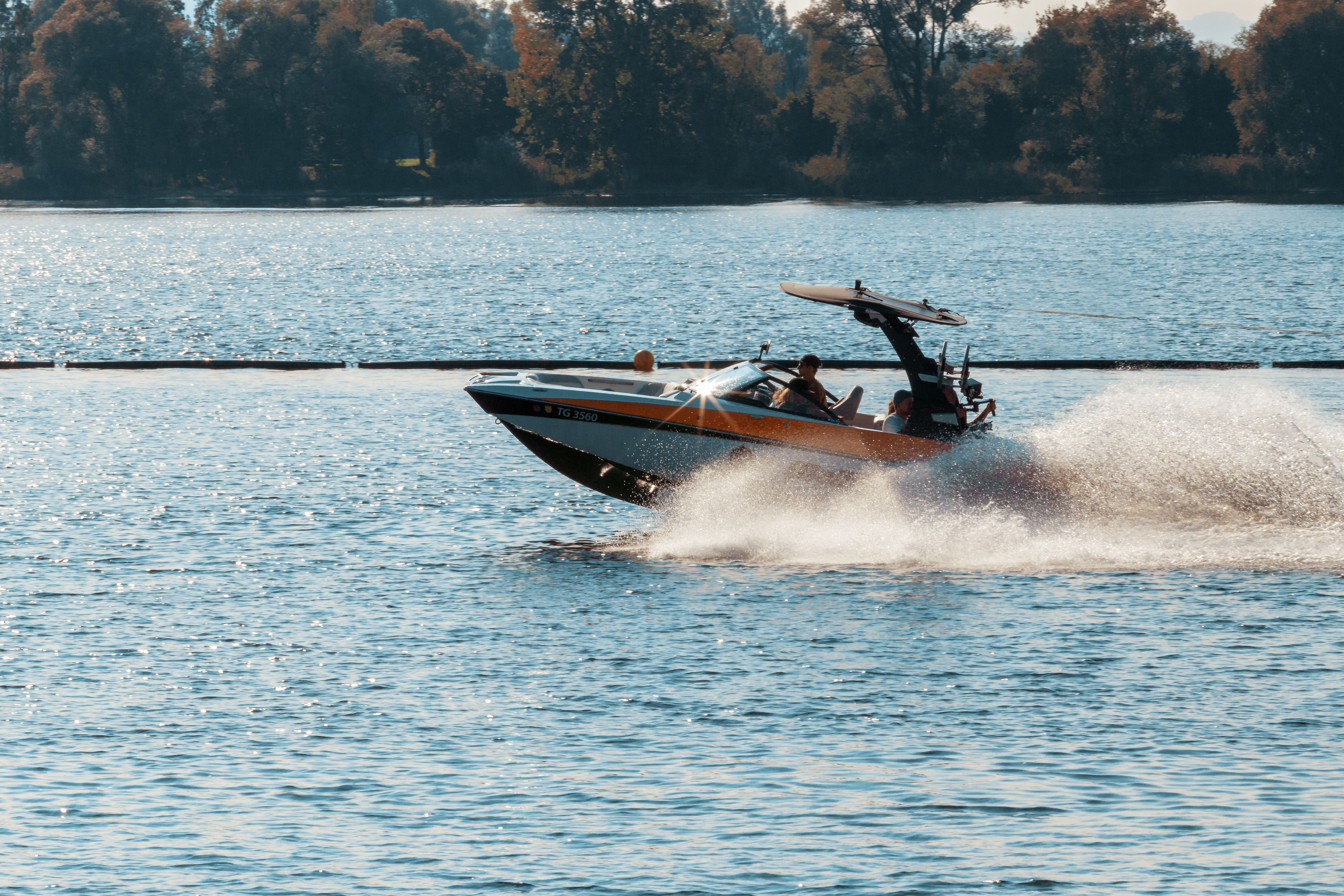
In August 2026, the team had the outmost honor participating in the International CoreComm Solar Boat Challenge in lake Balaton in Hungary. The competition gave Oceanos the chance to review and try their brand-new vessel in a competitive environment, evaluate design decisions and identify areas for further technical development.
International competitions are more than opportunities to demonstrate performance. They serve as practical testing grounds where engineering decisions are challenged, different technical disciplines must work together, and theoretical concepts are evaluated through experimentation.
Engineering as an Integrated System
Building a competitive racing vessel requires tight integration across multiple technical disciplines. Hull geometry and hydrodynamic optimization must directly align with propulsion efficiency, energy management systems, battery storage, and control electronics. Also, a central design consideration in a solar-powered vessel is making an effective use of available energy. Solar panel energy, effective power convention and management, battery storage and the delivery of energy to the propulsion system must operate as a coordinated system, with efficiency, safety and reliability guiding every decision.
Ongoing assessment and testing are likewise required for the development of control systems and for the integration of mechanical and electrical subsystems. The vessel’s success cannot be guaranteed by the capability of any single component. The group tackles topics including achieving an appropriate balance between performance and dependability, integrating multiple technologies, and further developing designs through testing, data analysis, and iterative development, efforts that are significant for more complex naval engineering assignments. This approach gives early-career engineers a priceless opportunity to understand how engineering work operates across disciplines. It shows that successful innovation relies not only on developing efficient components, but also on ensuring that every component in a system aligns with a shared objective.
The Next Chapter: Autonomous Navigation and Artificial Intelligence
Oceanos is extending its research efforts by introducing a new Autonomous subteam, dedicated to developing a small-scale autonomous vessel that integrates artificial intelligence and autonomous navigation technologies, alongside the ongoing development of its racing vessel.
With this new initiative, the team's research goals have significantly expanded beyond racing performance to include the development of systems capable of understanding their environment, processing data, and making autonomous navigational decisions. During this season, the subteam will focus on developing and testing the necessary software, with the long-term goal of adapting these technologies to the team's Monaco-winning vessel and returning to the competition next year.
The development of autonomous vessels presents a new set of engineering challenges. Motion control, route planning, environmental perception, sensor integration, and data processing require close coordination between mechanical, electrical, and computing systems. Safety, reliability, and adaptability to changing operating conditions are equally essential. Autonomous navigation is not only about developing algorithms but also about successfully integrating them into a functional marine platform.
For Oceanos, the autonomous project opens a new field of experimentation and interdisciplinary collaboration. It creates opportunities to explore emerging technologies and investigate how intelligent systems can be applied to real maritime environments, while laying the foundation for the team's next competitive chapter.
The Young Engineers Behind Technology
Behind every detail of this project is a team of young people investing their knowledge, time, creativity and effort. For all team members, participation is more than an extracurricular activity alongside their university studies, it is an opportunity to take an active role in the development of a complex and innovative engineering project
The process involves experimentation, technical setbacks, redesign and continuous improvement. At the same time, members develop skills in project management, resource allocation, coordination, communication and collaborative problem-solving.
Sustainable Maritime Technology: Turning Challenges into Opportunities
A single technology cannot be the only factor in the shift to more environmentally friendly maritime engineering. It calls for several solutions, such as increased energy efficiency, the creation of substitute propulsion systems, the incorporation of digital technology, and more efficient vessel operation.
In this larger framework, autonomous vessel research and solar-powered racing boats offer useful settings for experimentation and technical advancement. These initiatives can advance engineering knowledge, the assessment of novel strategies, and the training of future experts with practical experience.
For the team, sustainability is closely connected to the pursuit of better engineering solutions. Through the continued optimisation of their racing vessel and the development of autonomous project, the team seeks to expand its technical capabilities, test new ideas and explore the possibilities of emerging technologies in the marine environment.